Introduction
Snake bites are a severe clinical emergency situation that can occur in various settings, especially in areas where snakes are prevalent. In Australia alone, there are many varieties of poisonous snakes such as the Tiger Serpent, Eastern Brown Snake, and King Brown Snake. Understanding how to properly handle serpent bites is important for any individual who hangs out outdoors or lives in rural Australian snake distribution areas. This write-up will discover comprehensive emergency treatment administration approaches for snake attacks and outline best practices for replying to these incidents.
First Aid Monitoring of Snake Bites: Ideal Practices for Every Situation
When taking care of a serpent bite, the first reaction can significantly impact the target's result. Immediate activity is important due to the fact that speedy clinical treatment commonly determines Treatment protocol the degree of injury or survival price. Here are necessary emergency treatment principles to remember:
Stay Calm: The first step in taking care of a serpent bite is to remain calm. Panic can raise heart prices and boost the spread of venom throughout the body. Call for Help: Dial emergency solutions instantly. Give them with your place and any details regarding the snake if possible. Keep the Victim Still: Motivate the target to remain as still as possible. Activity can raise blood flow, accelerating poison absorption right into the bloodstream. Positioning: If practical, position the afflicted arm or leg at or below heart degree. This positioning aids reduce venom spread. Remove Limited Clothing: Loosen any type of clothes or jewelry around the bite website; swelling might take place swiftly after a serpent bite. Do Not Apply Ice/Cold Packs: In contrast to common belief, using ice can intensify cells damages and should be avoided.Understanding Snake Types and Their Habitats
Tiger Serpents and Their Habitat
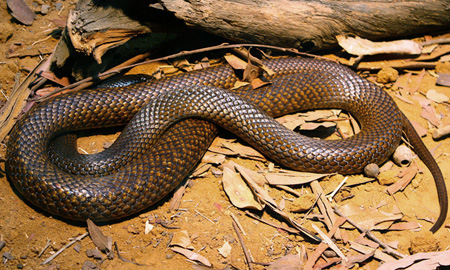
Tiger serpents (Notechis scutatus) are amongst Australia's most well-known poisonous serpents due to their hostile nature and potent venom.
- Habitat: They normally inhabit seaside areas, marshes, and areas with dense plants like marshes and swamps. Risks: Recognition of local tiger snake environments can lower the threat of running into one unexpectedly.
Eastern Brown Snakes: A Substantial Threat
The Eastern Brown Serpent (Pseudonaja textilis) is another extremely venomous varieties located throughout eastern Australia.
- Habitat: This serpent prospers in city areas, farming lands, and grasslands. Behavior: Known for its quick strikes when threatened, comprehending its actions might help mitigate encounters.
Recognizing Symptoms of Snake Bites
Identifying signs and symptoms at an early stage can types of Australian snakes boost opportunities of efficient treatment:
Local Symptoms:- Pain and swelling around the bite site Discoloration or bruising
- Nausea or vomiting Difficulty breathing Signs of shock (e.g., light skin, fast heart beat)
First Aid Procedures for Specific Serpent Bites
First Help for Tiger Serpent Bite
In instance of a tiger snake bite:

First Help for Eastern Brown Serpent Bite
For an eastern brownish snake bite:
Keep calmness; assure the victim. Call emergency situation services without delay. Position them comfortably while preventing movement. Mark the sides of swelling with a pen if possible for observation.Creating Your Serpent Bite First Aid Kit
A well-prepared first aid set can make all the distinction throughout emergency situations:
|Product|Function|| -------------------------------|---------------------------------------------------|| Compression bandages|To debilitate arm or legs|| Sterilized gauze|To cover injuries|| Antihistamines|For allergies|| Emergency contact numbers|Quick accessibility during situations|| User's manual|Step-by-step assistance on taking care of emergency situations|
What Needs to You Never Do When Treating a Serpent Bite?
Here's a list of usual challenges when treating snake bites:
Do not apply tourniquets; they can create even more harm than good. Avoid cutting right into or trying to draw out venom from the wound. Never provide alcohol or energizers to sufferers as it can aggravate their condition.FAQs Regarding Emergency treatment Administration of Serpent Bites
1. What must I do if I see a snake?
Stay calm and retreat gradually without abrupt movements.
2. Exactly how do I recognize if a serpent is venomous?
Research local types' attributes; numerous have distinct color patterns or markings.
3. Can I make use of ice on a serpent bite?
No, using ice can increase cells damage.

4. The length of time do I have after being attacked before looking for medical attention?
Seek medical focus quickly-- time is crucial with poisonous bites!
5. Is it safe to drive myself to the hospital after a bite?
No! It's harmful as signs and symptoms may aggravate en course; await expert help.
6. Are all serpents in Australia dangerous?
No! While Australia has numerous harmful serpents, there are likewise non-venomous varieties that pose no threat.
Conclusion
The first aid management of snake bites calls for prompt activity combined with knowledge about local types' habits and environments like those of tiger snakes and eastern brownish snakes in Australia. By adhering to finest techniques laid out above-- such as remaining calm, calling emergency situation services without delay, and recognizing what not to do-- you considerably improve survival chances after such mishaps occur.
Equipping on your own with expertise regarding various types of snakes in your area and preparing a suitable emergency treatment kit will certainly guarantee you're ready should an encounter occur-- making you far better prepared to handle this potentially life-threatening scenario effectively!